Hello Good Boy Typeface: A Festive Script for Holiday Crafts
As a maker who spends hours cutting vinyl, designing printable templates, and printing product labels, I know that typography is the silent salesperson of your shop. It sets the tone before a customer even reads the description. When I first encountered Hello Good Boy, a festive and happy typeface from the Script Amp collection, I immediately saw its potential. This isn’t just another decorative font; it is a design asset that captures the spirit of the holiday season with genuine charm. For handmade sellers, stationery designers, and small business owners, finding a font that balances whimsy with commercial viability can be challenging. Hello Good Boy offers a unique flair that adds warmth to your designs while remaining distinct enough to build brand recognition.
The Visual Personality of Hello Good Boy
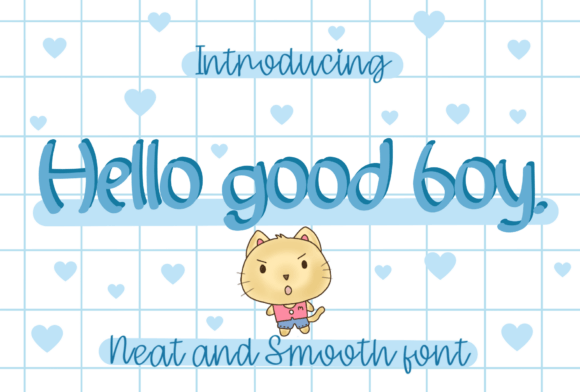
This creative font exudes a sense of joy and celebration. Its visual personality is defined by playful curves and decorative elements that feel both nostalgic and modern. Unlike rigid serif fonts or overly formal script fonts, Hello Good Boy feels approachable and inviting. It has a handwritten quality that suggests personal care—a crucial element in the handmade market. Whether you are creating digital downloads for Etsy or physical goods for a craft fair, this typeface brings an immediate emotional appeal. The letters have a bouncy rhythm that draws the eye, making it ideal for grabbing attention in crowded social media feeds or on busy product packaging.
The font’s charm lies in its balance. It is expressive enough to serve as a focal point but structured enough to remain legible. This makes it particularly effective for short phrases, names, titles, and decorative wording. When you use a display font like Hello Good Boy, you are not just filling space; you are conveying a mood. In the context of Fonts used for commercial purposes, having a character-rich typeface allows your products to stand out without needing excessive graphic elements. The font itself becomes part of the design narrative.
Practical Applications for Crafters and Sellers
One of the most common questions I get from fellow creators is where to use a specific font in their workflow. Hello Good Boy shines in projects where seasonal cheer is paramount. For instance, imagine designing a set of candle labels for winter solstice or Christmas markets. The playful nature of the text complements the cozy aesthetic of wax and wick perfectly. Similarly, when creating birthday invitations or wedding stationery with a rustic or bohemian theme, this font adds a touch of elegance without feeling stiff.
For those using Cricut or Silhouette machines, Hello Good Boy is excellent for farmhouse signs and wall art. The decorative elements allow the text to carry visual weight, meaning you don’t need heavy borders or complex SVG-style designs to make the piece pop. It works beautifully on mugs, shirts, and tote bags, where the curved letterforms can wrap naturally around the product shape. In the realm of digital printables, such as planner pages or greeting cards, the font helps create a cohesive look that customers find aesthetically pleasing and share-worthy.
Product packaging is another area where this font elevates perceived quality. Boutique tags attached to jewelry or clothing items benefit from the font’s friendly demeanor. It signals to the buyer that the item was made with care. Even for holiday product packaging, the festive vibe aligns seamlessly with seasonal marketing. By integrating Hello Good Boy into your brand identity, you create a consistent visual language that customers begin to associate with your shop’s unique style.
Readability and Production Considerations
While the artistic appeal of Hello Good Boy is undeniable, practical production needs must always come first. As a seller, you need to ensure your designs are readable at various sizes. This font performs best as a display font rather than body text. Using it for longer paragraphs can lead to reader fatigue, so reserve it for headlines, quotes, or key messaging. When preparing files for cutting machines, pay close attention to kerning and spacing. Decorative fonts often have wider natural spacing, which can look disjointed if not adjusted properly in your design software.
For small stickers and product labels, test your designs at actual size before committing to a large print run. The intricate details of the font might get lost if printed too small or cut with low-resolution blades. Mockup previews are essential here; they help you visualize how the font interacts with other design elements and background colors. Additionally, check the included styles, alternates, ligatures, and swashes provided in the font file. These features can significantly enhance your designs by allowing you to customize the look of specific letters, adding extra flair to initial caps or special characters.
Effective Font Pairing Strategies
To maximize the impact of Hello Good Boy, consider pairing it with complementary typefaces. A classic strategy is to combine an expressive script or handwritten font with a clean sans serif font. The simplicity of the sans serif provides a stable foundation that lets the playful script shine. For example, you might use Hello Good Boy for the main title and a minimal sans serif for the date or location details on an invitation. Alternatively, pairing a bold display font with a simple serif font can create a sophisticated contrast suitable for more upscale branding or editorial layouts. These combinations help maintain readability while keeping the design dynamic.
Licensing and Commercial Use
For any creator selling physical products, templates, printables, or digital downloads, understanding font licensing is non-negotiable. Always verify whether Hello Good Boy is available as a commercial font license if you plan to use it for merchandise, client work, or mass-produced items. Some fonts require separate licenses for web design, social media graphics, and physical goods. Ensuring you have the correct permissions protects your business from legal issues and supports the designers who created these valuable assets. Investing in proper licensing is a sign of professionalism and respect for intellectual property.
Incorporating Hello Good Boy into your creative toolkit can transform ordinary projects into memorable experiences. Its festive and happy nature resonates with audiences during peak gifting seasons, but its versatility allows it to shine year-round in various contexts. By focusing on practical application, thoughtful pairing, and proper licensing, you can leverage this charming typeface to enhance your brand identity and connect more deeply with your customers. Whether you are designing a single custom gift or a full line of holiday printables, the right typography makes all the difference.